Human Approval Gate
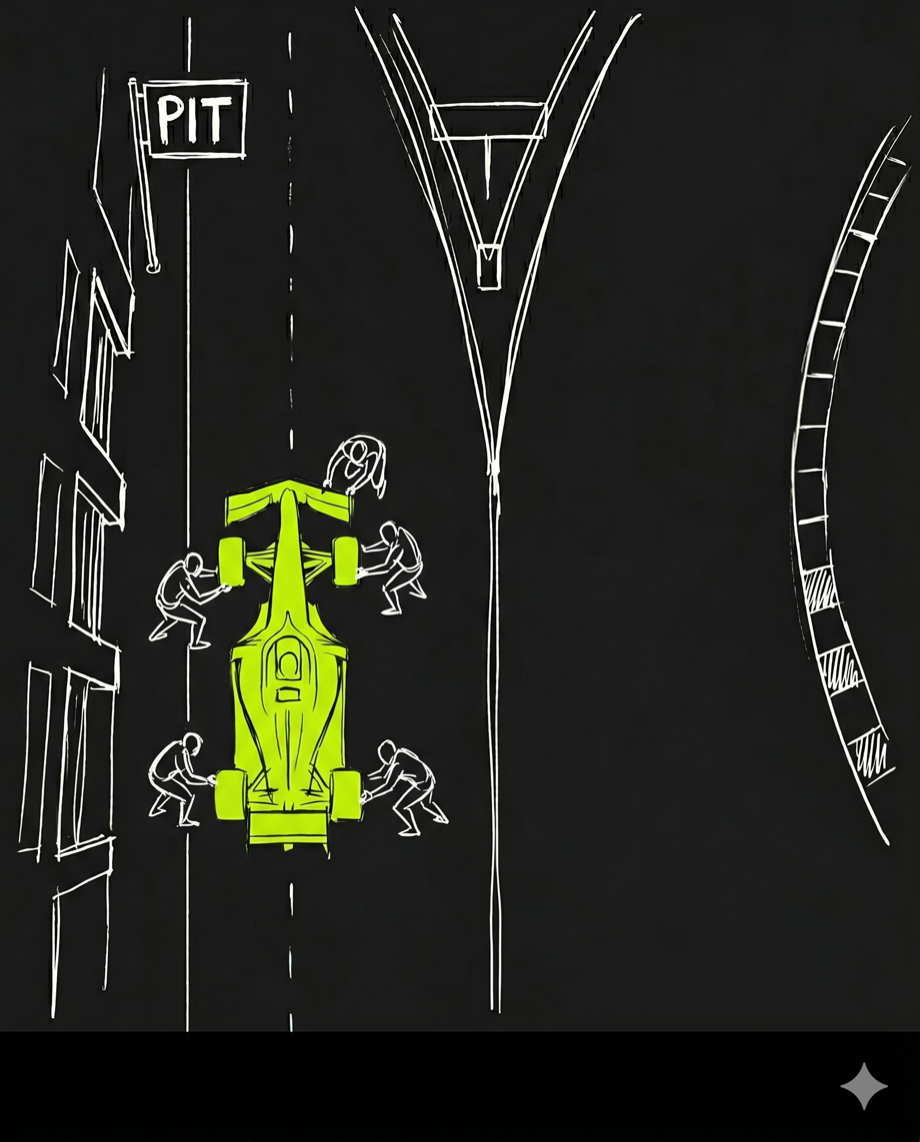
Agent work can move from a plan to code before a reviewer has time to inspect the first output. A human approval gate creates a hard boundary in that flow. The agent may finish the work before the gate, but the protected workflow cannot start until a person makes the decision.
Overview
A human approval gate belongs at a transition where judgment matters more than speed. It can protect the move from technical design to implementation, from a completed change to merge, or from a release candidate to deployment. Unlike a review request that runs beside the workflow, the gate changes execution state. The orchestration instance waits, and no agent can start the named gated workflow while approval is pending.
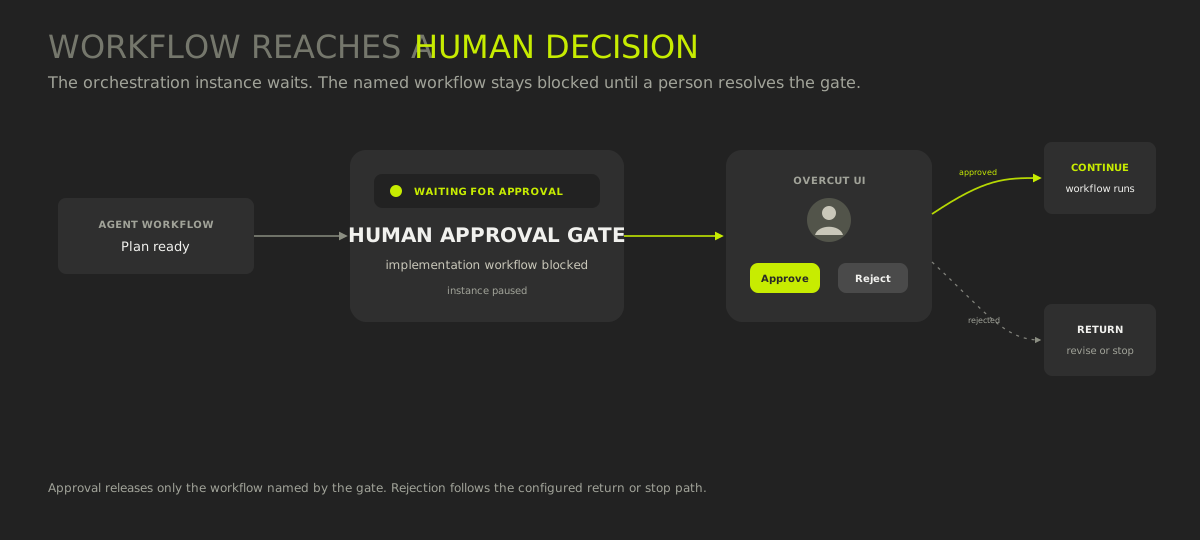
In Overcut, an orchestration declares the gate on that named workflow. When the instance reaches it, the UI gives a person the output and decision controls. Approval releases the waiting instance into the protected workflow. Rejection follows the configured return or stop path.
How it works
A gate turns a human decision into an explicit state transition. Four parts keep the boundary clear:
Declare the boundary
An orchestration places a gate before a named workflow. The declaration identifies exactly which work is protected, rather than treating review as an informal step outside the run.
Enter a waiting state
When the instance reaches the gate, it pauses and presents the output for review. The gated workflow stays blocked while the decision is pending.
Resolve in the UI
A person reviews the output and chooses approve or reject. The choice resolves the waiting state and selects the orchestration's next path.
Follow the outcome
Approval releases the gated workflow. Rejection returns the work for a change or stops the run, based on the orchestration's configured path.
Example in practice
A ticket-to-PR orchestration starts with an agent reading a feature request and drafting a technical plan. The orchestration then reaches the gate declared on the implementation workflow. Its instance enters a waiting state, and the coding agent cannot begin. An engineer reviews the plan in the Overcut UI. Approval releases implementation. Rejection sends the plan back for revision or stops the run, depending on the configured path.
What is Human Approval Gate?
A human approval gate is a checkpoint that blocks an agent workflow until a person approves its output, so the next named workflow cannot run before the decision is resolved.
Comparison: Human approval gate vs. the Governance gate
A human approval gate is one concrete kind of governance gate. It applies the human-in-the-loop principle by making a person's decision a blocking workflow transition.
Put human decisions at the right workflow boundaries
Overcut pauses named workflows for approval and releases agent work only when a person says it can continue.
Get a demo